Melbourne · cost & scope

Paving Cost Melbourne

Quotes track dig depth, how the area will be used and where water goes—then stone and pattern. Use this page to align what contractors price with your calculator inputs and what you discuss on site.

Same drivers whether you searched outdoor paving cost Melbourne or driveway paving cost Melbourne—the query doesn’t change the soil, falls or access on your block.
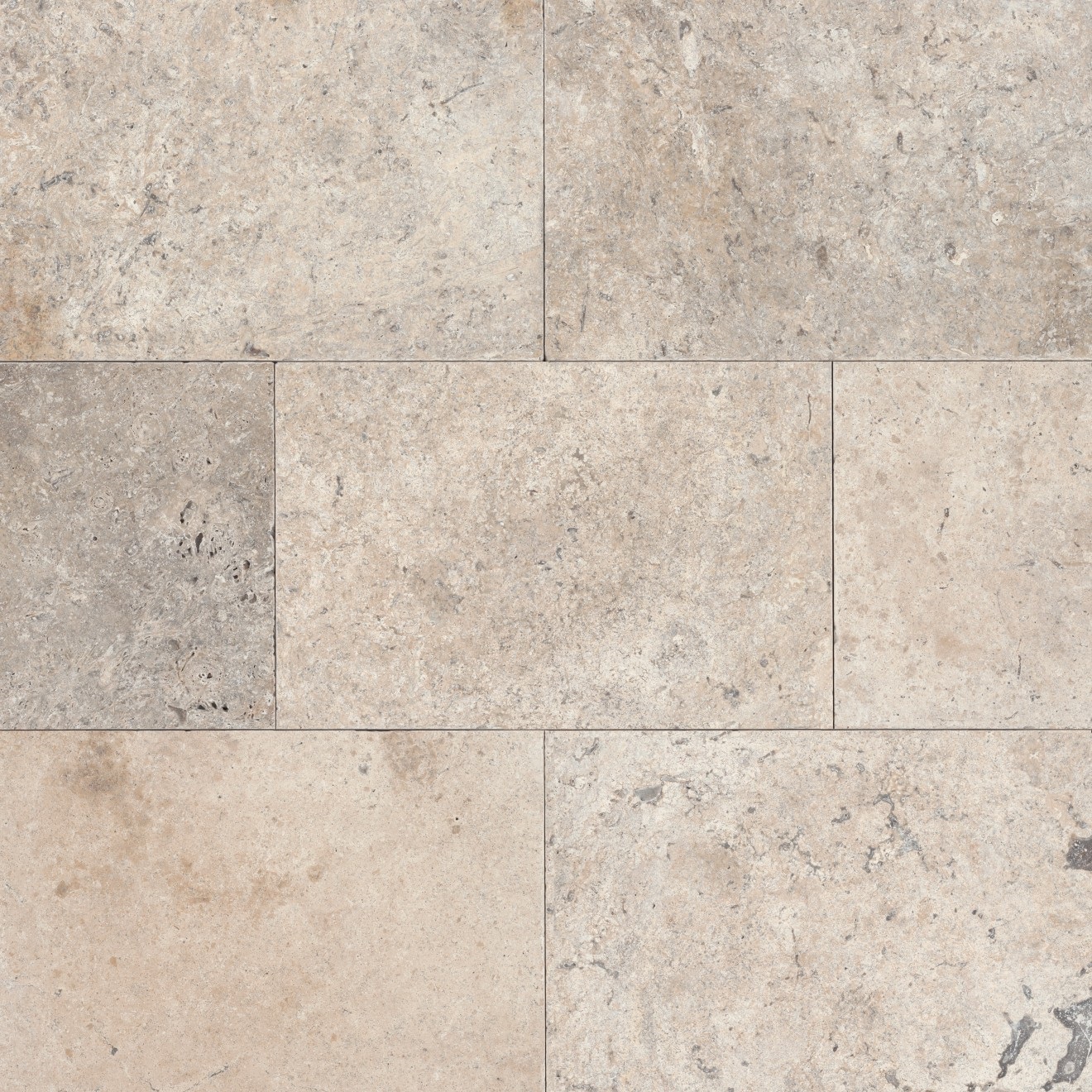
Stretcher bond paving in a residential outdoor area

What moves the quote

Paving cost Melbourne quotes are usually groundworks, materials and finishing bundled together—not one flat rate from a table. Use the list as a checklist against written scopes.

  • Area size Larger fields increase material volumes and laying days; awkward shapes add perimeter cuts and waste.
  • Paving style Herringbone, French pattern and crazy paving demand different set-out and cutting time compared with a simple stretcher bond grid.
  • Base preparation Excavation depth, sub-grade improvement, compaction and whether you use crushed rock or a concrete slab underpin both price and longevity. For a plain-language comparison, see Wet bed vs concrete base paving.
  • Drainage Surface falls, grate positions, soakage and ties to existing stormwater can add civil detail that generic “per m²” figures ignore.
  • Access Narrow side passages, steps, soft lawn routes for barrows and distance to a skip all add labour hours.
  • Existing demolition Removing old concrete, tree roots, failed paving or buried rubble changes machine time and disposal costs.
  • Stone or paver type Supply price, thickness, breakage rates and handling differ sharply between imported stone, local bluestone and concrete modules.
  • Edging and retaining Concrete haunching, aluminium or concealed edge profiles, and low retaining walls are often essential line items, not optional extras.
  • Pool or driveway requirements Driveway paving cost Melbourne projects usually need thicker units, stronger bedding and robust restraint—see our driveway paving Melbourne guide for how those pieces fit together; pool surrounds add slip resistance, bond-break detail and certification considerations. For natural stone pool paving context—particularly travertine—read travertine pool paving Melbourne.

Rough installed bands (guide only)

Broad installed bands for residential outdoor work in Melbourne—conversation starters, not quotes. Your paving cost per m² Melbourne shifts with stone tier, base type, access and how much work sits below the finished surface.

  • Stretcher bond

    About $95–$230+ per m²

    Often sits towards the economical end when modules are standard and the area is open. Premium stone, adhesive bedding on concrete, or a vehicle specification pushes the upper bound and beyond.

  • Herringbone

    About $110–$260+ per m²

    Extra alignment, cuts at borders and axis changes add labour versus stretcher bond on the same paver. For driveways, structural layers and edge restraint frequently matter more than the zig-zag pattern itself.

  • French pattern

    About $125–$300+ per m²

    French pattern paving cost Melbourne estimates need to allow for mixed modules, dry-lay thinking time and stone availability. Large entertaining slabs and pool decks often sit in the upper half of the band when drainage and coping interfaces are tight.

  • Crazy paving

    About $140–$350+ per m²

    Crazy paving cost Melbourne projects reflect piece-by-piece fitting and jointing. Irregular flagstone on difficult access sites can exceed the top of the range; small, simple paths may land lower when scope stays modest.

  • Steppers

    About $85–$210+ per m² of paced coverage

    Spacing, turf or mulch integration and individual placement mean m² is only a rough normalisation. Compare like-for-like scopes when you weigh steppers against continuous paving.

Figures exclude GST unless your contractor states otherwise. Always insist on a written scope covering excavation depth, base type, disposal, drainage falls and edge restraint—then align numbers to that document.

Why online paving prices are often misleading

Listicles and ads that promise a single “Melbourne paving rate” usually flatten complexity you will still pay for on site. Watch for these common gaps when you read outdoor paving cost Melbourne figures online.

  • Site conditions — reactive soils, fill, slopes and retained levels change excavation and stabilisation.
  • Drainage — tying new falls to existing grate positions, thresholds and garden beds is rarely a line-item in generic tables.
  • Excavation and disposal — truck access, skip placement and tipping fees swing wildly between properties.
  • Sub-base quality — depth and compaction are invisible in a headline price but decisive for performance.
  • Access — manual handling, protection of existing surfaces and long carries add hours every day of the job.
  • Hidden preparation — services, root barriers, geotextile, bond-breaks at structures and make-good to adjoining finishes.

For a structured estimate before you speak to contractors, use the paving cost calculator and treat the output as a planning bracket, not a substitute for measured quotes.

The “cheapest pattern” rarely survives the site

Broadly, simple layouts cost less than fussy patterns on the same stone tier—stretcher bond versus modular fields or irregular crazy paving.

Fiddly styles cost more because labour is a big slice of Melbourne quotes. French pattern and crazy paving often sit above plain grids when stone quality is similar.

Stone choice still swings the total—jumping from concrete pavers to premium imported limestone can matter more than the pattern on paper.

Good prep usually beats a cheap headline price. A simple pattern on a drained, restrained base usually outlasts a “bargain” job that skipped depth, compaction or falls.

Where thin scopes show up later

Weak prep costs twice—re-doing levels, compaction and relay is far dearer than building the base properly once.

Drainage matters as much as the stone you see. Water held against the house, pool coping or timber doors shows up as stains, heave or blown joints after the crew has gone.

Better stone can last longer than budget stock when it suits use and upkeep—but bedding, restraint and cleaning still have to match the material.

Thinking about replacement risk, cleaning, sealing and cars usually shows whether a mid-range spec beats a rock-bottom headline price.

Model your area with the right base

Match style, area and bedding to real use—then treat the result as a planning band, not a tender.

Use paving calculator

Questions we hear when pricing paving

How much does paving cost per m² in Melbourne?
There is no single rate. Paving cost per m² in Melbourne depends on paver or stone type, pattern complexity, base specification, drainage, access and whether the area carries vehicles. Expect wide variation even between similar-sized jobs—use our paving cost calculator for a guide band, then confirm on site.
Is crazy paving more expensive?
Usually, yes, compared with straightforward rectangular layouts on a similar stone tier. Crazy paving is slower to fit and joint, so labour makes up a larger share of the quote. Supply price and site access still move the total a lot—see our crazy paving Melbourne guide for context.
What is the cheapest paving style?
Simple stretcher bond (or similar grid layouts) with standard concrete pavers on a well-specified crushed base is often the most economical patterned option for pedestrian areas. The cheapest upfront quote is not always the best value if base preparation, falls or edging are under-scoped—compare scope, not headline price.
Does paving need concrete underneath?
Not always for light-use paths on stable ground, but many Melbourne specifications use a concrete slab and adhesive where vehicle loads, pool surrounds, poor soils or long-term stability are in play. The right build-up follows from use, drainage and engineering judgement rather than a universal rule.
How accurate are online paving calculators?
They are useful for order-of-magnitude planning, not tender accuracy. Calculators cannot see your access, existing levels, services, demolition, drainage conflicts or stone shortlist. Treat outputs as a bracket you refine after a walk-through and written scope.

Fair comparisons need the same assumptions on dig depth, falls and edges—otherwise you’re comparing guesses.

Turn a rough bracket into a scoped project

Run the calculator, then ask each quote to spell out prep and drainage—not just the stone on top.

Estimate paving cost