Melbourne · pool surrounds
Pool Paving Melbourne
Wet feet, pool chemicals and summer sun change what you can use—finish, joints and falls come before stone colour. The surround should drain well, feel okay underfoot and match what your certifier needs on paper.
Same questions whether you searched pool surrounds Melbourne, travertine pool paving or non slip pool paving: where water goes, how paving meets coping, and how the area behaves when it’s often damp.
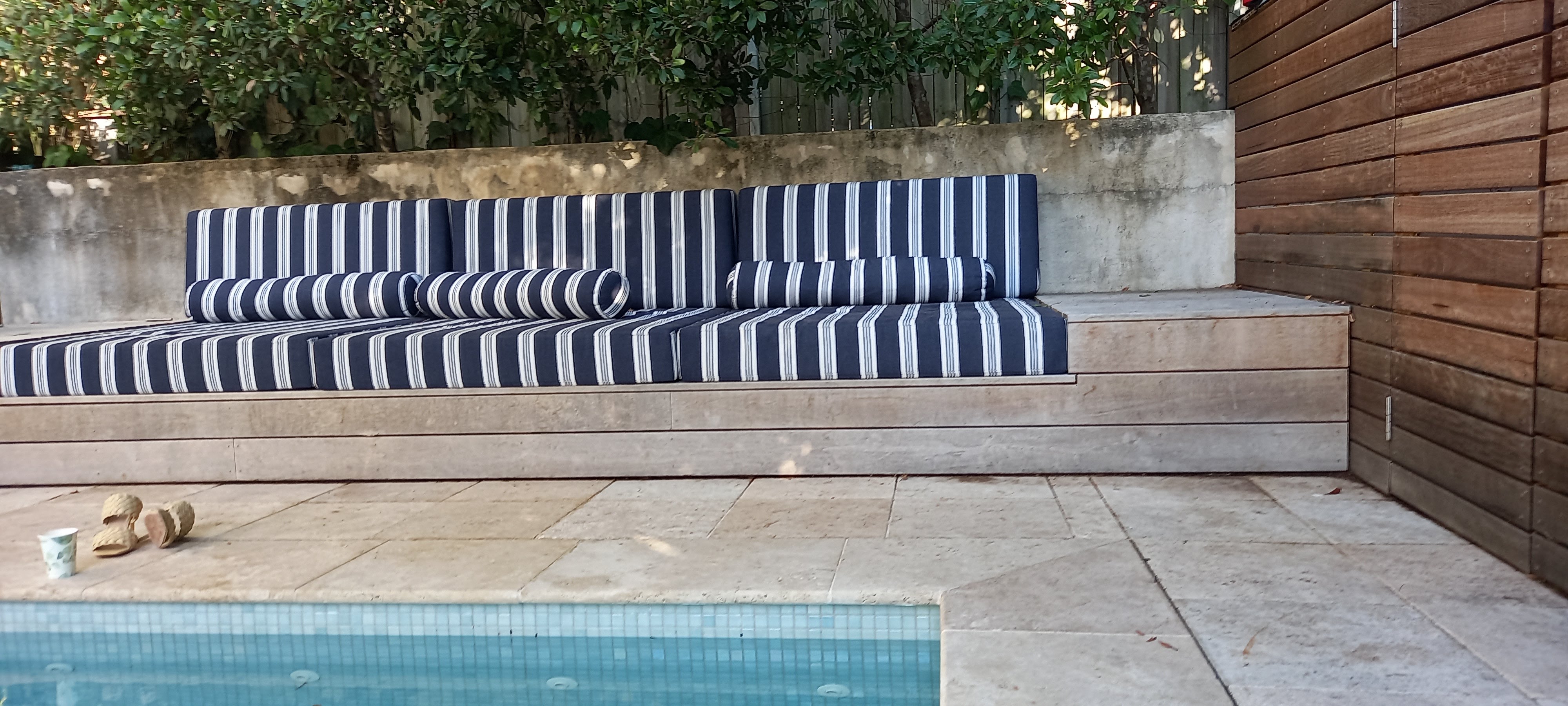
What changes beside water
Pool paving Melbourne jobs use the same trades as a path—but splash, heat and bare feet make slip ratings, comfort and detail matter more. Small mistakes show up fast.
- Wet areas — Splash, rain and cleaning cycles keep surfaces damp more often than typical garden paths.
- Slip resistance — Bare feet, toys and winter growth on joints mean grip needs thoughtful material and finish choices.
- Heat underfoot — Dark stone can become uncomfortably hot in direct sun; light tones are not automatically cool.
- Drainage — Water must leave the pavement without ponding against the shell, fence posts or adjoining finishes.
- Coping details — How paving meets coping, rebates and expansion considerations affects both appearance and performance.
- Salt and chlorine exposure — Splash and chemistry influence sealing, metal corrosion near the waterline and long-term surface care.
- Levels and landscape — The pool surround should read as part of the wider garden: lawn, planting, steps and entertaining zones need coherent falls.
Materials that tolerate splash and sun
No single material suits every Melbourne site. Use the notes below as a conversation framework with your contractor, not a universal prescription.
- Travertine — Often chosen for modular layouts and a calm, resort-adjacent look; finish and fill level still determine wet performance and cleaning effort.
- Limestone — Tonal softness suits many contemporary pools; density and porosity vary, so supplier advice on exposure matters.
- Bluestone — Familiar in Melbourne gardens; surface texture and sawn versus flamed finishes change grip and stain behaviour.
- Porcelain outdoor tiles — Consistent thickness and low porosity appeal on paper; module size, grout detail and slip ratings still need careful pairing to pool rules and maintenance habits.
- Natural stone (broader category) — Includes granites and quartzites with tougher wear characteristics; each batch differs, so dry-lay and blending discipline matter beside water.
What affects pool paving cost?
Pool paving cost in Melbourne follows area, shape and what sits under the stone. Compare written scopes, not headline rates.
- Pool size and surround area Larger decks increase supply volumes; tight perimeters multiply cuts and slow the lay.
- Stone or tile selection Premium imports, unusual thicknesses or large formats change handling, wastage and adhesive bedding decisions.
- Coping detail Bullnose, rebated units and junctions to fencing or timber decks add setting-out time and tolerance checks.
- Base preparation Excavation depth, stabilisation and whether you work over a slab or a mortar bed feed directly into programme and price.
- Drainage and falls Grates, strip drains and sheet falls must align with architecture and certifier expectations—not afterthoughts.
- Cuts around pool edges Curves, tight radii and step returns consume labour even when the stone itself is mid-market.
- Access Narrow side paths, stairs and protection of existing surfaces add daily barrow time.
- Existing demolition Removing tired concrete, old coping or failed paving changes disposal and make-good.
- Sealing requirements Product choice, application timing and re-seal cycles belong in the scope if natural stone is shortlisted.
For broader pricing context beyond the pool shell, read our paving cost Melbourne guide, then use the paving cost calculator for a planning bracket.
Which paving styles suit a pool deck?
French pattern can look neat beside water when joint spacing and tile size suit the pool shape. Set-out has to stay true at coping and steps. See French pattern paving Melbourne.
Large format paving looks clean and modern; fewer joints can be easier to clean if falls are spot-on. Big units show level mistakes, so bedding and base tolerances matter.
Crazy paving suits informal pools and garden-style surrounds when you want a looser look—but busy stone next to moving water can feel messy. It’s slower to lay; read crazy paving Melbourne before assuming it’s the cheap option.
Very busy patterns can fight pool reflections and fence lines. If the stone is already loud, a simpler layout often settles the space.
Grip and barefoot comfort
Finish matters as much as stone family. Honed surfaces can be appropriate in some dry zones yet questionable beside active wet use; brushed, tumbled or textured treatments often trade a little refinement for safer grip underfoot.
Balance texture, comfort for bare feet and how much you’ll clean it. Heavy texture traps leaves; very slick honing can worry families with kids. Pick finishes for how the pool actually gets used—not the catalogue shot alone.
Remember dark stone can become hot in Melbourne summers—shade, planting and hose-down routines all influence whether a sample slab approved in spring still feels acceptable in January.
Pool decks: wet bed vs rigid slab
Pool surrounds often need careful decisions about levels, drainage and movement where paving meets the shell, coping and any structural slab. A rigid concrete base with adhesive suits some specifications; a mortar wet bed over compacted road base suits others—site geology, engineering input and the proposed stone format steer the answer.
Because mistakes are expensive to reverse, treat online articles as background reading. Compare options with your contractor and, where required, your engineer—our wet bed vs concrete base paving page outlines the trade-offs in plain language.
Common pool paving mistakes
- Choosing only by appearance — A sample that looks stunning indoors may behave differently beside chlorinated splash and UV.
- Poor falls and drainage — Ponding beside the shell stains coping, encourages algae and undermines confidence in the detail.
- Slippery finish — Wet performance ignored until after handover, when the remedy is expensive.
- Ignoring coping detail — Paving that fights the coping line reads as an afterthought and can trap water.
- Poor set-out around curves and corners — Small angular errors accumulate where everyone’s eye naturally travels.
- Mismatched stone batches — Different calibres or tonal lots read as patch repairs rather than natural variation.
- Inadequate sealing advice — Either skipping guidance entirely or specifying the wrong product for splash exposure.
When it helps to bring in Made By Mobbs
Pool paving should be considered alongside planting, lighting, fencing, levels and outdoor entertaining. A pool deck that ignores how you move from kitchen to water to lawn rarely feels finished.
Made By Mobbs designs and builds whole outdoor spaces—not paving on its own. We’re most useful when you want pool surround, garden and built work to feel like one plan, not three separate trades.
Real pricing still requires project context: access, demolition, engineering constraints and your material shortlist all move the number. Use the calculator for orientation, then organise a site visit when you are ready to assess the site properly.
Questions we hear around pools
- What paving is best around pools?
- There is no single “best” product for every pool in Melbourne. The sensible shortlist balances slip resistance for wet bare feet, heat underfoot in summer, drainage and falls, how the stone meets coping, and exposure to salt or chlorine splash. Your certifier, fence detail and cleaning expectations also narrow options. Use the calculator for a guide bracket, then confirm materials on site.
- Is travertine good around pools?
- Travertine pool paving in Melbourne is common because modular packs suit entertaining scale and the tone sits well beside water. Suitability still depends on the finish (filled, honed, brushed or tumbled), expected wet use, maintenance and how joints and coping are detailed. Always treat “travertine” as a category, not a guarantee.
- Is pool paving expensive?
- Pool paving cost in Melbourne reflects more than visible stone—tight curves, bond breaks, drainage, demolition and access all add labour. Premium stone on a well-specified base can represent good long-term value; a low headline figure that omits preparation rarely does. See our paving cost Melbourne guide for how quotes are usually built up.
- Does pool paving need to be non-slip?
- Wet pool surrounds should prioritise non-slip pool paving characteristics appropriate to how the area will be used, including winter algae and mould in shaded Melbourne gardens. Ratings, test methods and certifier expectations vary—material selection should follow professional advice for your specific finish and maintenance plan, not a brochure photo alone.
- Does pool paving need sealing?
- Many natural stones benefit from informed sealing to slow staining and salt/chlorine ingress, but product choice, reapplication cycles and breathability matter. Some porcelain outdoor tiles need little beyond cleaning. Follow supplier guidance and align sealing decisions with how much splash, leaf litter and sun the pool surround receives.
Coping, fence posts and stormwater ties matter as much as paver colour—scope should say so.
Planning pool paving or pool surrounds?
Rough-cost the deck with realistic inputs, then confirm falls, coping rebates and grip on site—not from a sample tile alone.
Estimate pool paving cost